Zoom Mode
Zoom is available in every tool — even when peak picking, integration, or another tool is active, the same shortcuts and mouse actions zoom in and out of the spectrum.
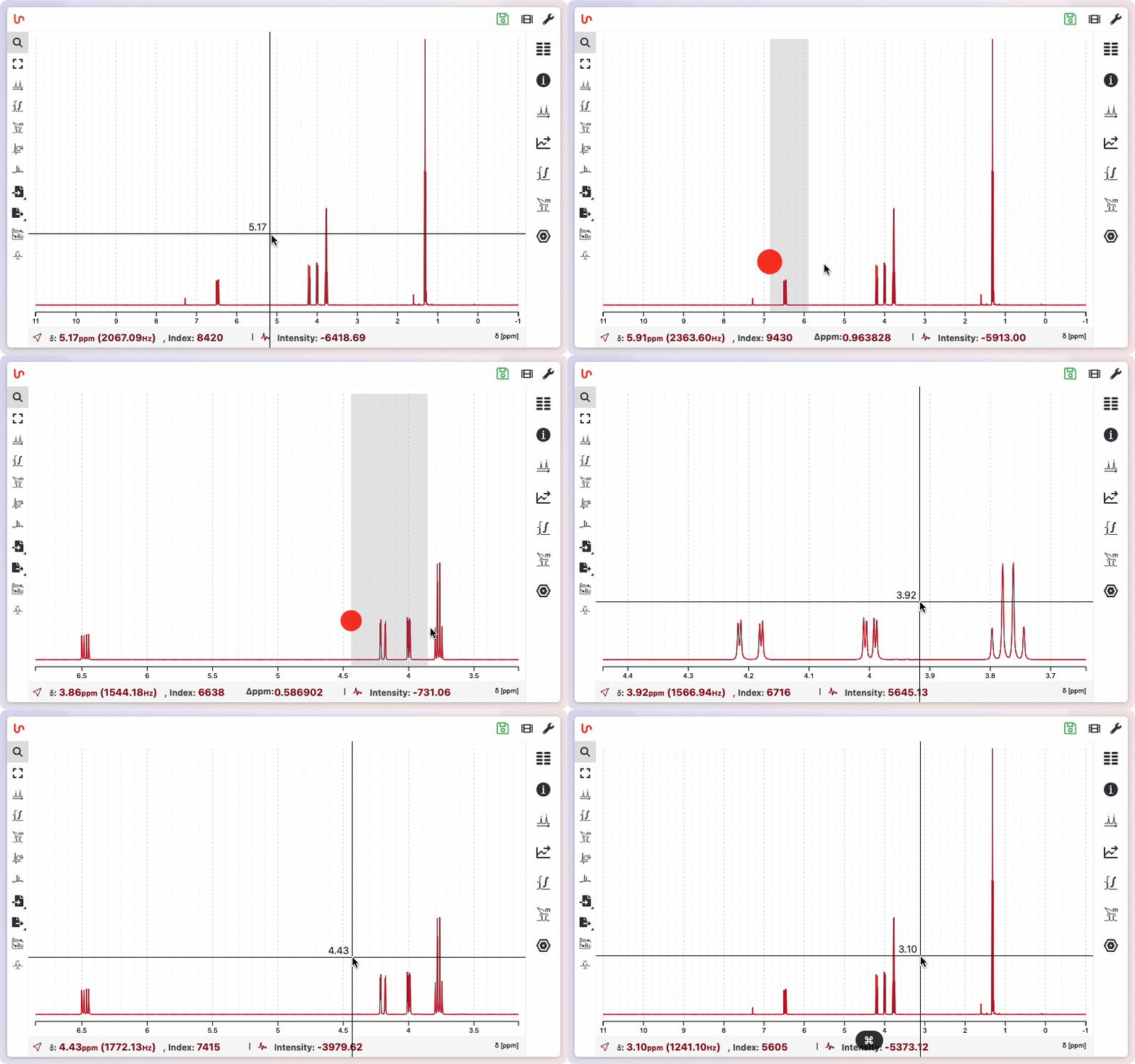
To zoom in, click and hold the left mouse button, drag to highlight the desired section, and release. Repeat to zoom in further.
Double-click anywhere to step back to the previous zoom level; repeat double-clicks to walk back through your zoom history. NMRium remembers all zoom levels.
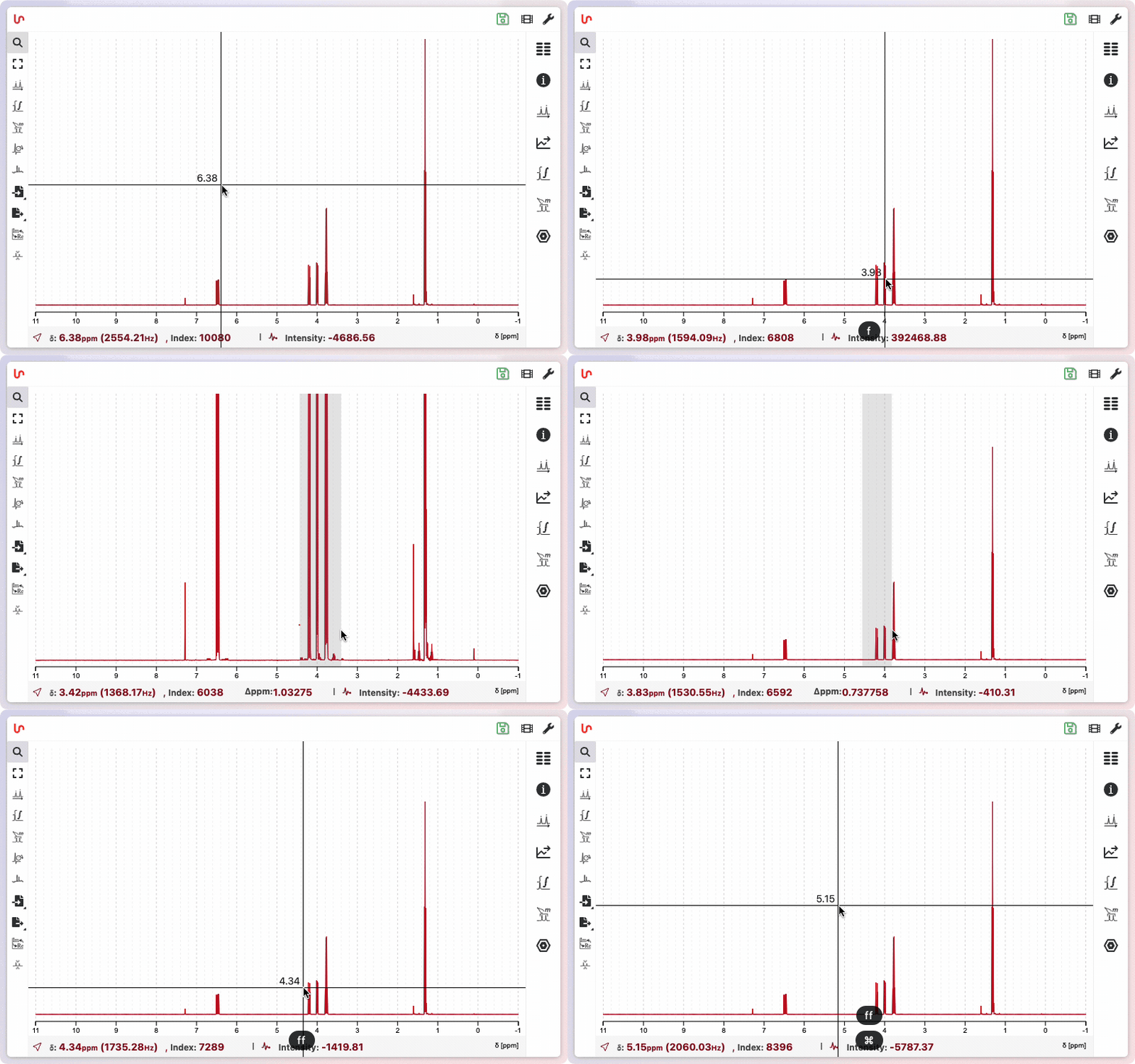
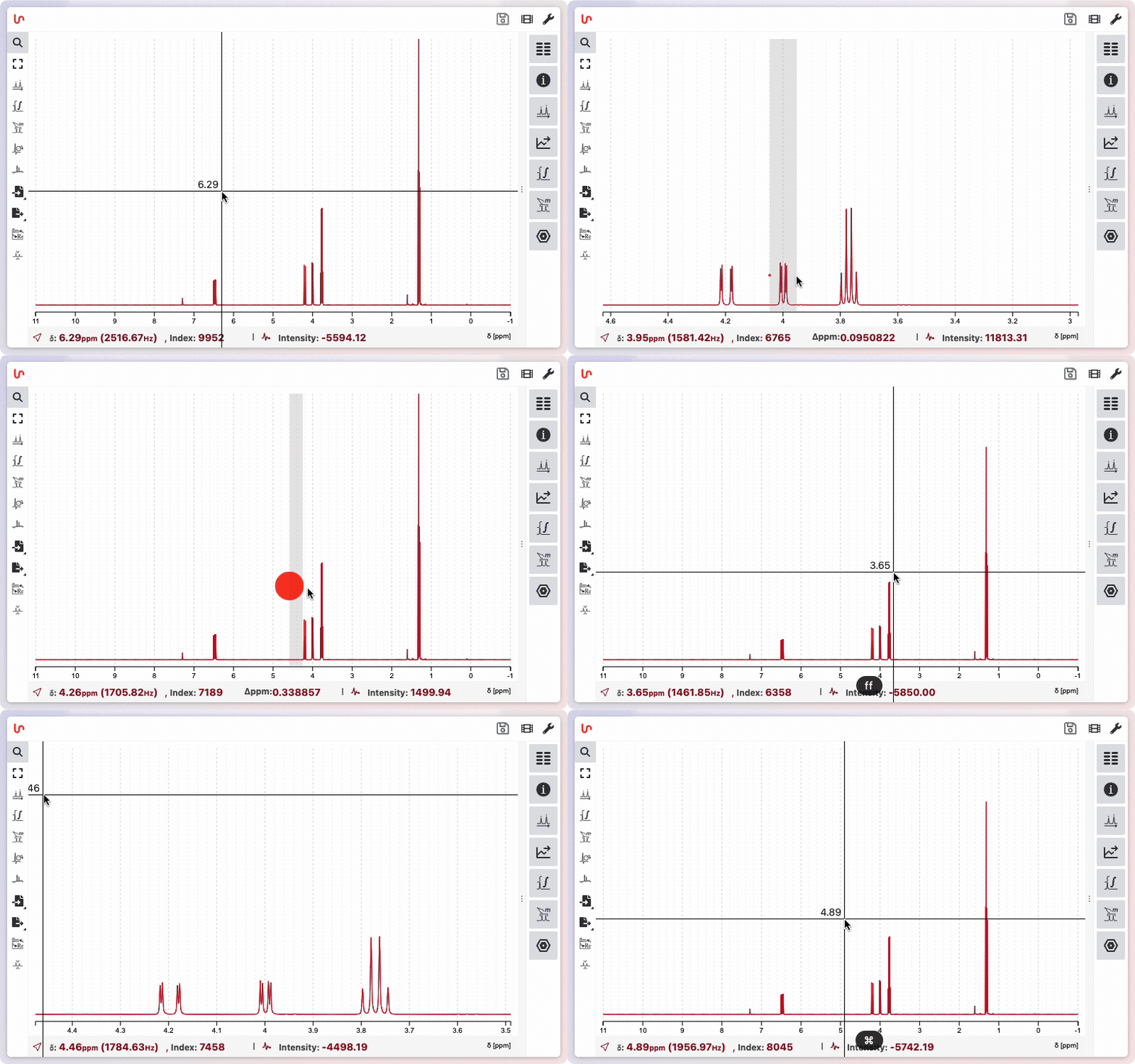
To zoom out horizontally, press f or click the "zoom out" icon. Press f twice (ff), or click the icon twice, to zoom out both horizontally and vertically.
Tool actions and zoom
When a tool such as peak picking, integration, ranges, phase, or baseline correction is active, its action and zooming share the same click-drag-release gesture. The Invert actions preference (general preferences) decides which one a plain gesture triggers:
- Invert actions on (default): a plain click or click-drag-release performs the tool's action; hold Shift and drag to zoom.
- Invert actions off: a plain click-drag-release zooms; hold Shift and drag to perform the tool's action.
It is on by default so the tools work with a simple gesture. This matters on a touchscreen or tablet, where holding Shift is impractical.
Basic Zoom Controls
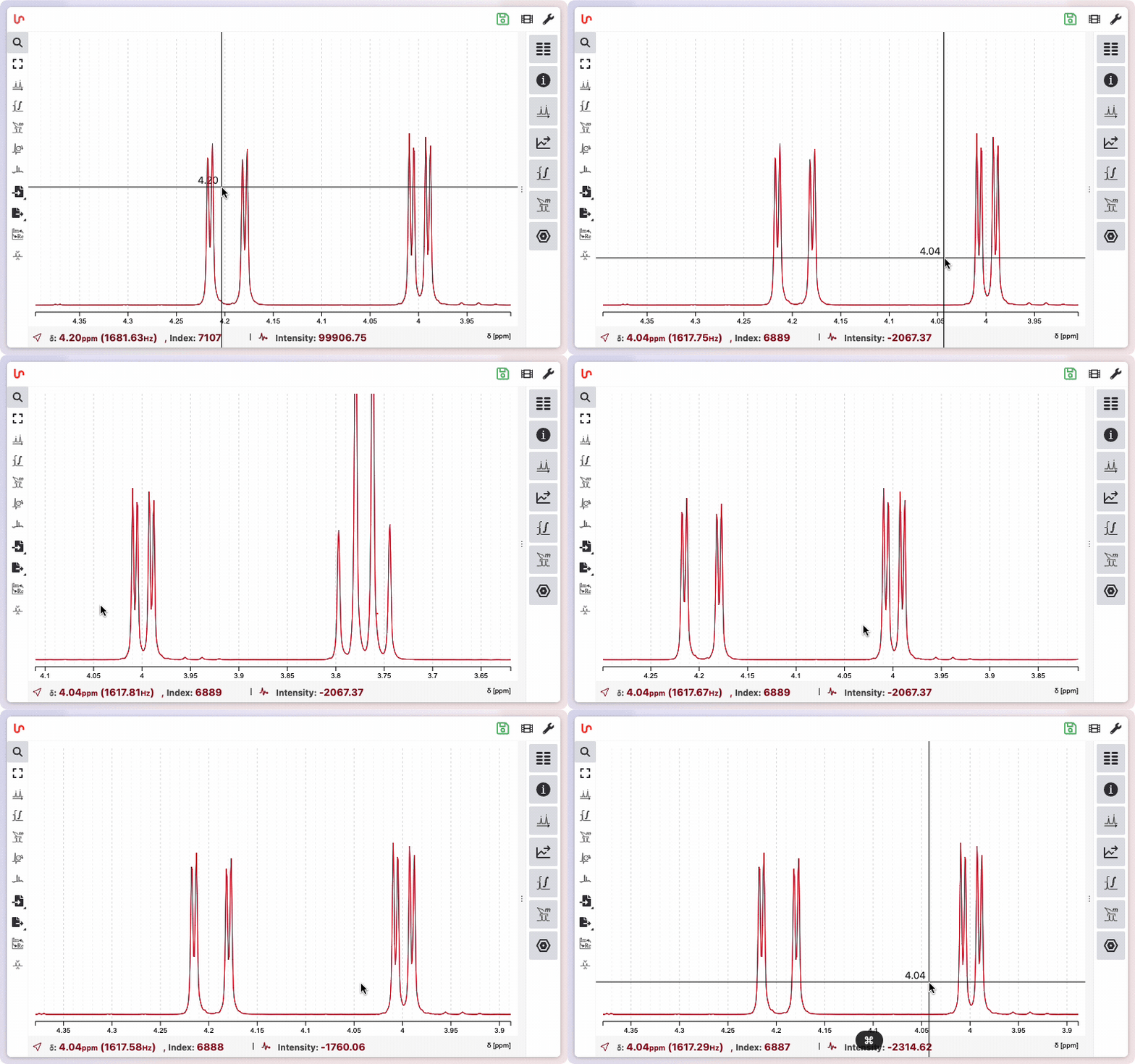
- Vertical Zoom: Use the scroll wheel to zoom vertically.
- Horizontal Zoom: Hold Shift and use the scroll wheel to zoom horizontally.
- Click and Drag:
- Drag horizontally to zoom in on a horizontal region.
- Drag diagonally to select a rectangular area and zoom into it.
Other Zoom Controls
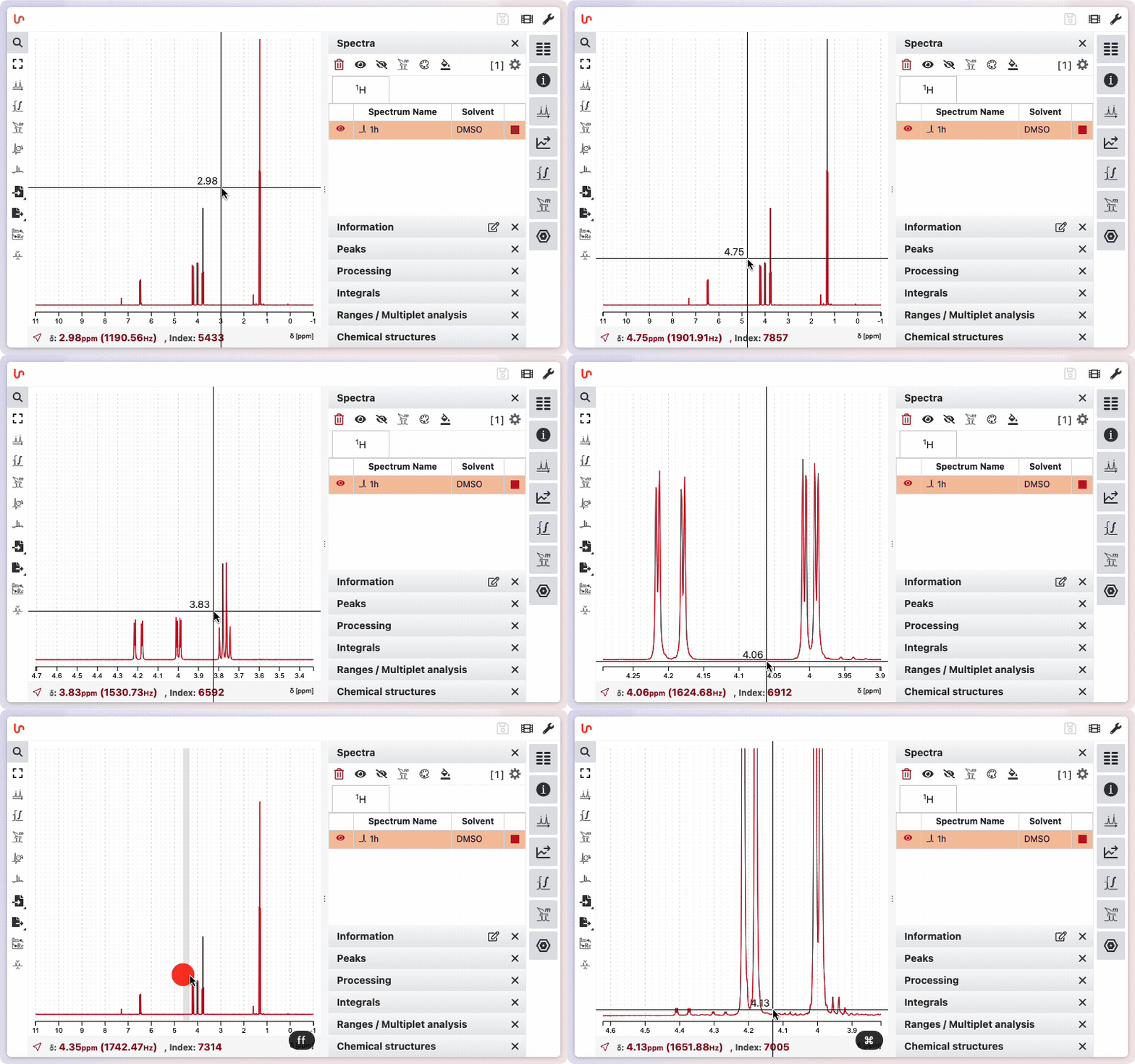
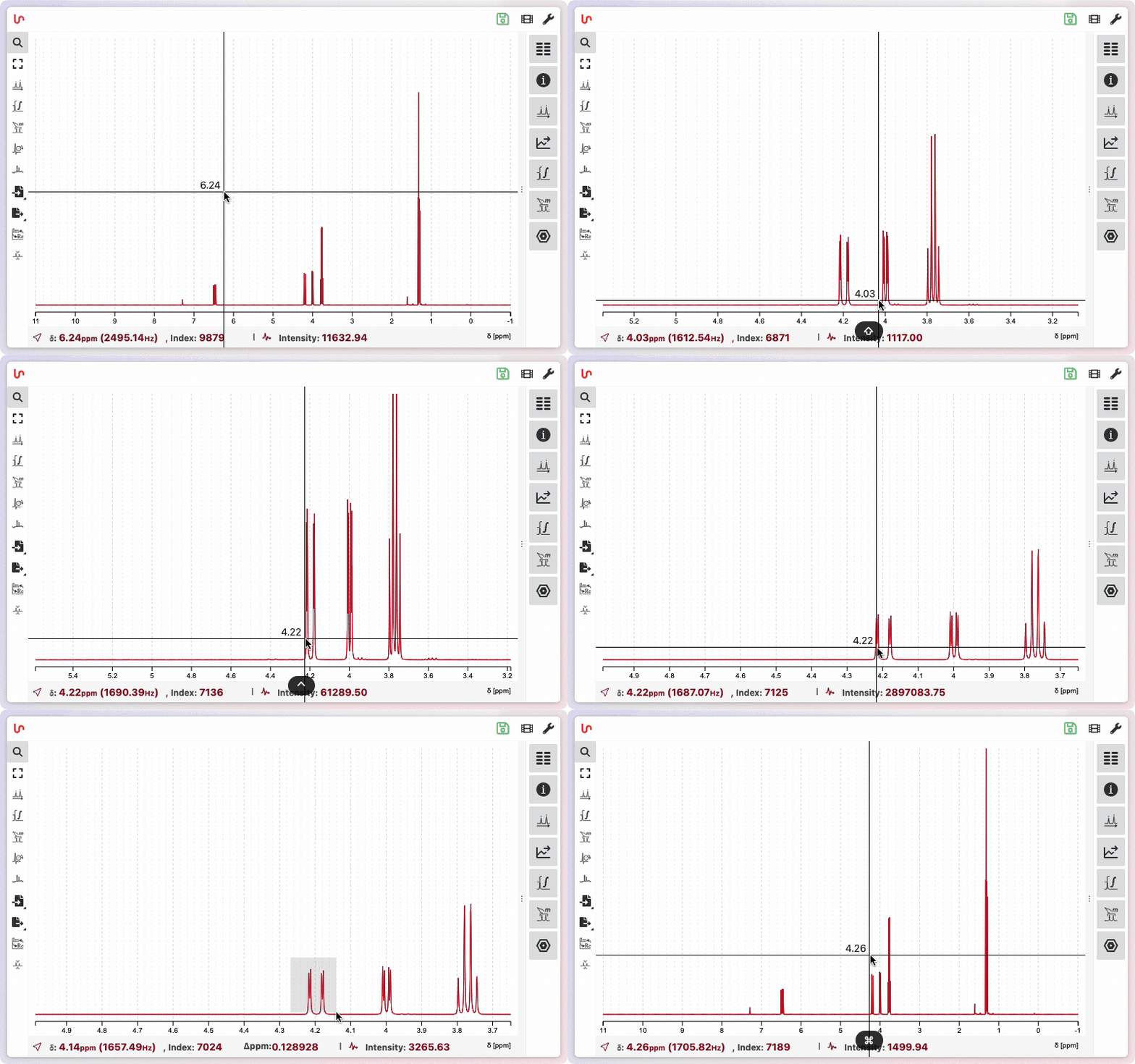
- Panning: Right-click and drag horizontally to pan the view.
- Advanced Zoom: Hold Ctrl and press the mouse button.
- Move the mouse vertically to zoom vertically.
- Move the mouse horizontally to zoom horizontally.
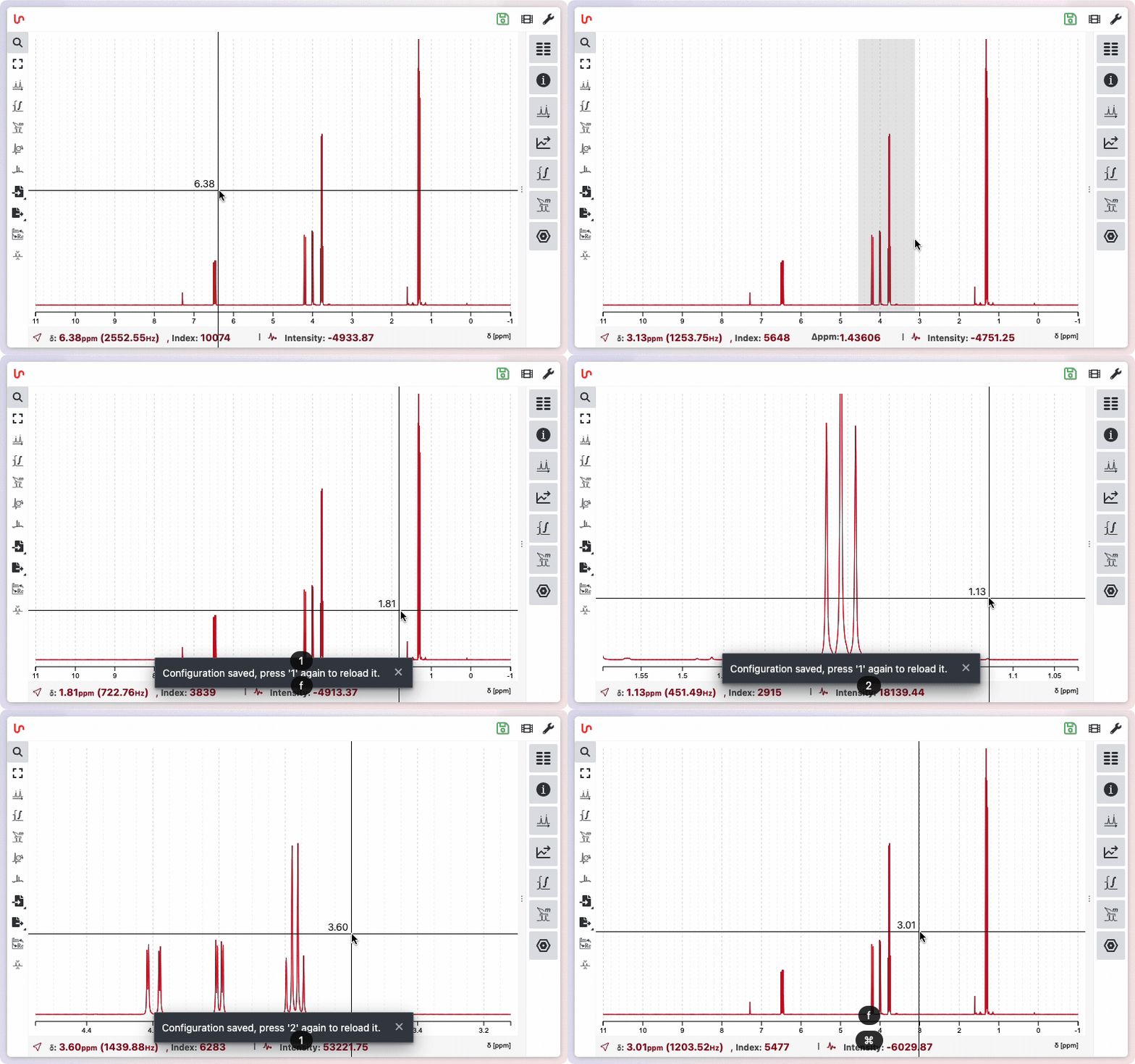
To quickly navigate between different zoom levels and nuclei, you can use the number keys on your keyboard. The first time you press a number key (such as 1, 2, etc.), NMRium saves the current zoom parameters to that number. Pressing the same number key again will instantly recall the saved zoom level and nucleus selection. If you want to update or replace the saved zoom for a specific number, hold Shift and press the desired number key (Shift + number). This makes it easy to switch between your favorite views during analysis.
Switch to the Zoom Tool with Esc
Press Esc to deselect the current tool and switch back to the zoom tool.
Display Chemical Shift and Intensity of a Peak
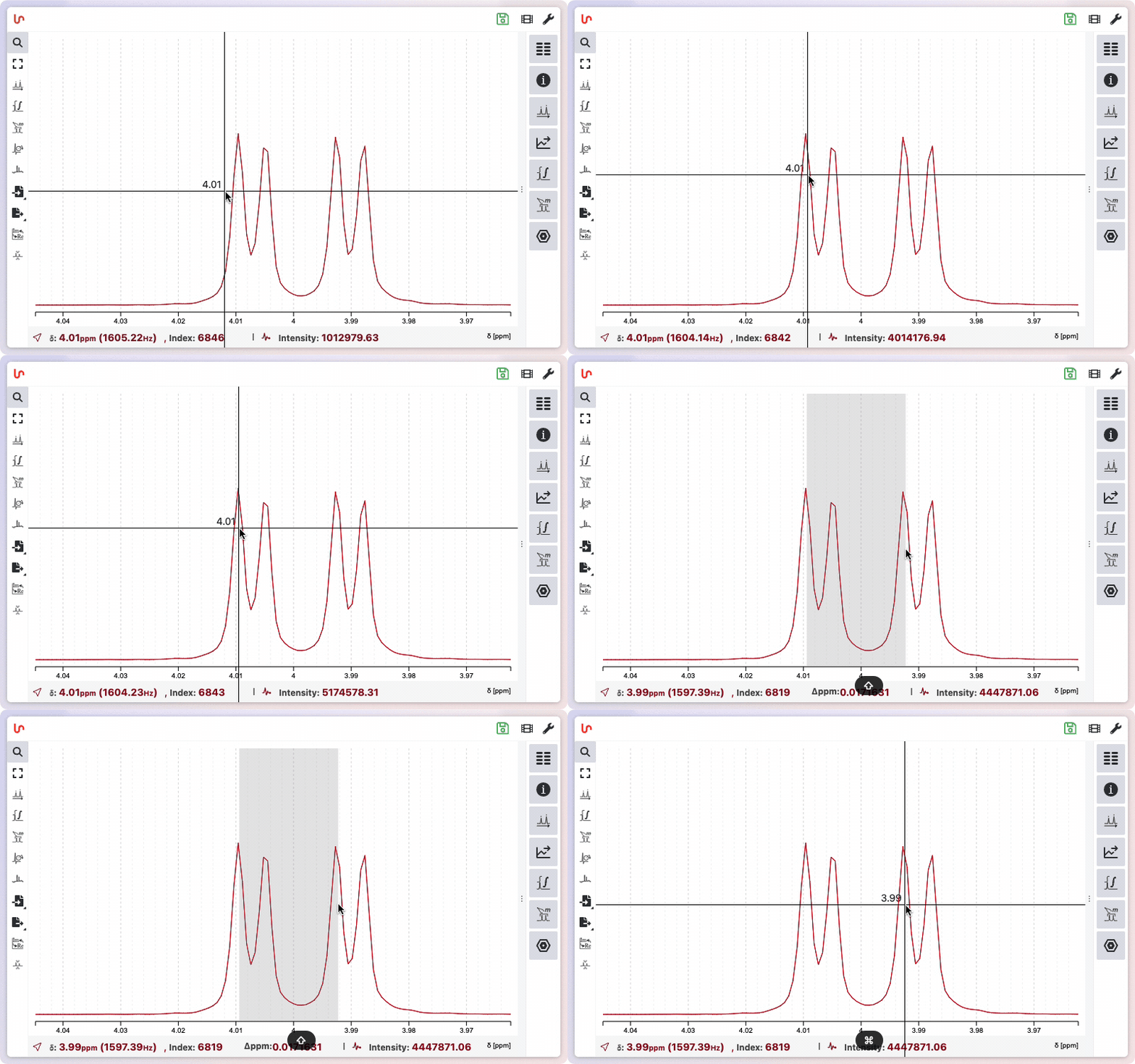
In zoom mode, moving the mouse over the spectrum displays a crosshair. Hovering over a signal shows the chemical shift in ppm. At the bottom of the spectrum, you can see the chemical shift in ppm and Hz, as well as the intensity of the signal.
Measuring Distances and Coupling Constants
With the zoom tool active, you can measure the distance between two peaks—useful for determining coupling constants.
To do this:
- Hold down Shift.
- Click and hold the left mouse button on the first signal.
- Drag the mouse to the second signal and release.
At the bottom of the spectrum, you will see:
- The mean chemical shift of the selected signals
- Their intensities
- The distance between them (in ppm and Hz), which corresponds to the coupling constant
This feature helps you quickly analyze multiplet splittings and coupling patterns.